Why divorce at 50 demands a different financial approach
At 50, you have less time to recover from financial missteps than someone in their 30s. Every decision you make in the first year post-divorce carries more weight, and the margin for costly errors is narrower.
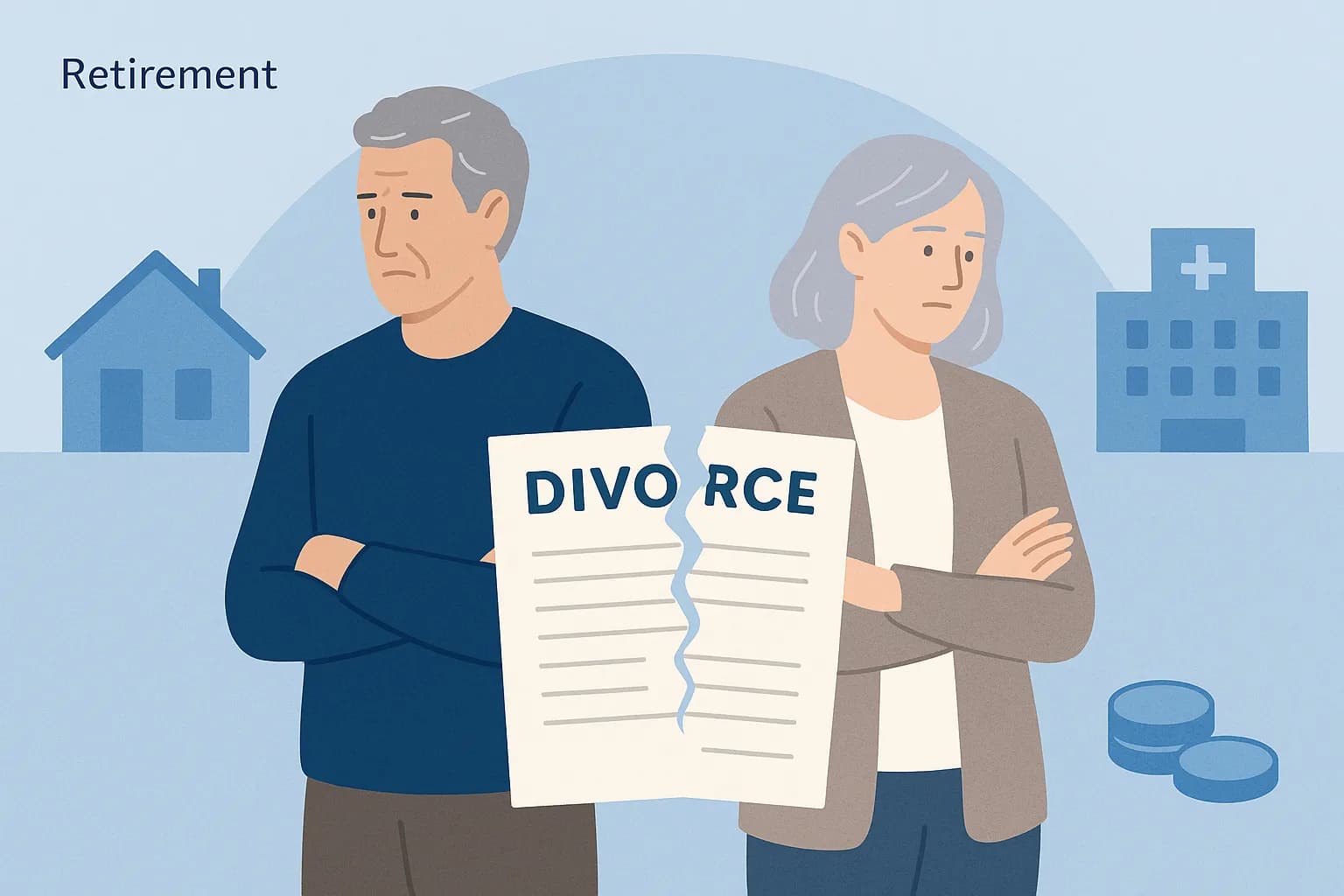
Divorce is one of the most disorienting financial events a person can experience, and going through it at 50 amplifies everything. You're not in your 30s with decades to recover. The decisions you make in the next 12 to 24 months will shape the next 20 years. That's not meant to scare you. It's meant to sharpen your focus. A shorter runway demands a clearer plan, not a panicked one.
The first order of business is knowing exactly where you stand. Pull every account statement, tax return from the last three years, and any debt documentation you can find. List assets and liabilities side by side. Include retirement accounts, the home's current market value, any business interests, and both spouses' debts. You need a complete picture before your attorney can negotiate effectively on your behalf, and before you can make any smart decisions about what to keep and what to let go.
Not all assets are equal: what you keep really matters
A 401(k) and a brokerage account of equal value are not the same thing after taxes. Knowing the after-tax value of each asset before you agree to a settlement could save you tens of thousands of dollars.
Here's the thing about asset division: not all assets are created equal after taxes. A $200,000 401(k) and a $200,000 brokerage account look identical on paper, but the 401(k) will be taxed as ordinary income when you withdraw it. The brokerage account may only owe capital gains tax, which is often lower. Keeping the house sounds like a win, but if you can't cover the mortgage, maintenance, and property taxes on one income, it can become a financial anchor within two or three years.
A Certified Divorce Financial Analyst (CDFA) can model the after-tax value of each asset in your specific situation. This is not an expensive luxury. It's the kind of analysis that prevents you from trading a liquid, tax-efficient account for an illiquid, tax-heavy one. To be blunt: many people accept settlements that look fair on paper and feel painful for the next decade. Don't let that be you.
QDROs: the one retirement document you can't skip
A QDRO is the legal order that splits a retirement account in divorce without triggering taxes or penalties. You need one for each plan being divided, and it must be approved before the divorce is final.
Retirement accounts get divided through a legal document called a Qualified Domestic Relations Order, or QDRO. This is not automatic, and it is not free. You need a separate QDRO for each retirement plan being divided, and it must be approved by the plan administrator before the divorce is finalized, or you risk costly complications. Done correctly, a QDRO lets your ex-spouse's share transfer directly into their own retirement account without triggering taxes or early withdrawal penalties.
One common mistake: cashing out a retirement account to divide it during the divorce instead of using a QDRO. If you do that, you'll owe income taxes and potentially a 10% early withdrawal penalty if you're under 59½. That $100,000 account could shrink to $65,000 or less in a single transaction. It's a mistake that's almost impossible to recover from in a 15-year window. Use the QDRO process. Every time.
Social Security after divorce: you may have more options than you think
If your marriage lasted 10 or more years, you can claim Social Security based on your ex's earnings record, up to 50% of their full benefit. This doesn't reduce what they receive, and it could meaningfully increase your monthly income in retirement.
If you're 50 now, you have roughly 12 to 17 years before most people claim Social Security. That window matters more than most people realize. If your marriage lasted at least 10 years, you may be entitled to claim Social Security benefits based on your ex-spouse's earnings record, up to 50% of their full retirement benefit, without reducing what they receive. The Social Security Administration has clear rules on this. It's worth pulling both earnings records early to see which strategy yields a higher lifetime benefit.
The other factor worth thinking through is when to claim. Claiming at 62 reduces your monthly benefit by as much as 30% compared to waiting until full retirement age (67 for most people born after 1960). Waiting until 70 increases your benefit by 8% per year beyond full retirement age. For someone who's 50 today, those extra years of contributions combined with a delayed claiming strategy can add up to a substantially higher monthly check. Run the numbers through the SSA's own calculator before deciding anything.
Health insurance is urgent, not optional
Losing spousal coverage at 50 is a genuine financial risk. COBRA buys you time, but it's expensive. The ACA marketplace may offer a better deal, especially if your income dropped after divorce.
Health insurance deserves more urgency than most people give it at 50. If you were covered under a spouse's employer plan, you have 36 months of COBRA continuation coverage available, but COBRA premiums can be substantial because you're paying the full cost the employer used to cover. The ACA marketplace is another option, and depending on your income, you may qualify for subsidies. At 50, going uninsured is a gamble I wouldn't take. One hospitalization can wipe out a year's worth of savings.
Compare COBRA to marketplace plans within the 60-day special enrollment window triggered by the divorce. Don't assume COBRA is better just because it's familiar. Get actual premium quotes for both, factor in deductibles and out-of-pocket maximums, and choose based on your anticipated healthcare usage. If you have ongoing prescriptions or specialist visits, compare those coverage details too, not just the monthly premium.
The house: separate the emotional from the financial
Keeping the family home feels like stability, but it can quietly drain your finances if the numbers don't work on one income. Renting short-term may be smarter than it looks.
Housing is the other big lever. I'd encourage you to separate the emotional question from the financial one. The family home might carry memories, but it also carries a mortgage, taxes, and maintenance. Run the numbers honestly: what would your monthly housing cost look like if you sold and rented versus if you kept the home? If keeping it means depleting your liquid savings for closing costs or buying out your spouse's equity, that trade may not be worth it. Renting for one to two years after divorce gives you flexibility while you stabilize income and figure out what you actually need.
A useful rule of thumb: your total housing costs, including mortgage or rent, insurance, taxes, and utilities, should stay at or below 30% of your gross income. If the house pushes that to 40% or 45%, it's eating into the savings you desperately need to build. Selling may feel like defeat. But freeing up $500 to $800 a month and redirecting it toward retirement contributions is a choice that compounds beautifully over 15 years.
Max out catch-up contributions starting now
At 50, the IRS lets you contribute more to retirement accounts than younger workers. Use that advantage aggressively, because compounding over 15 years can still do serious work.
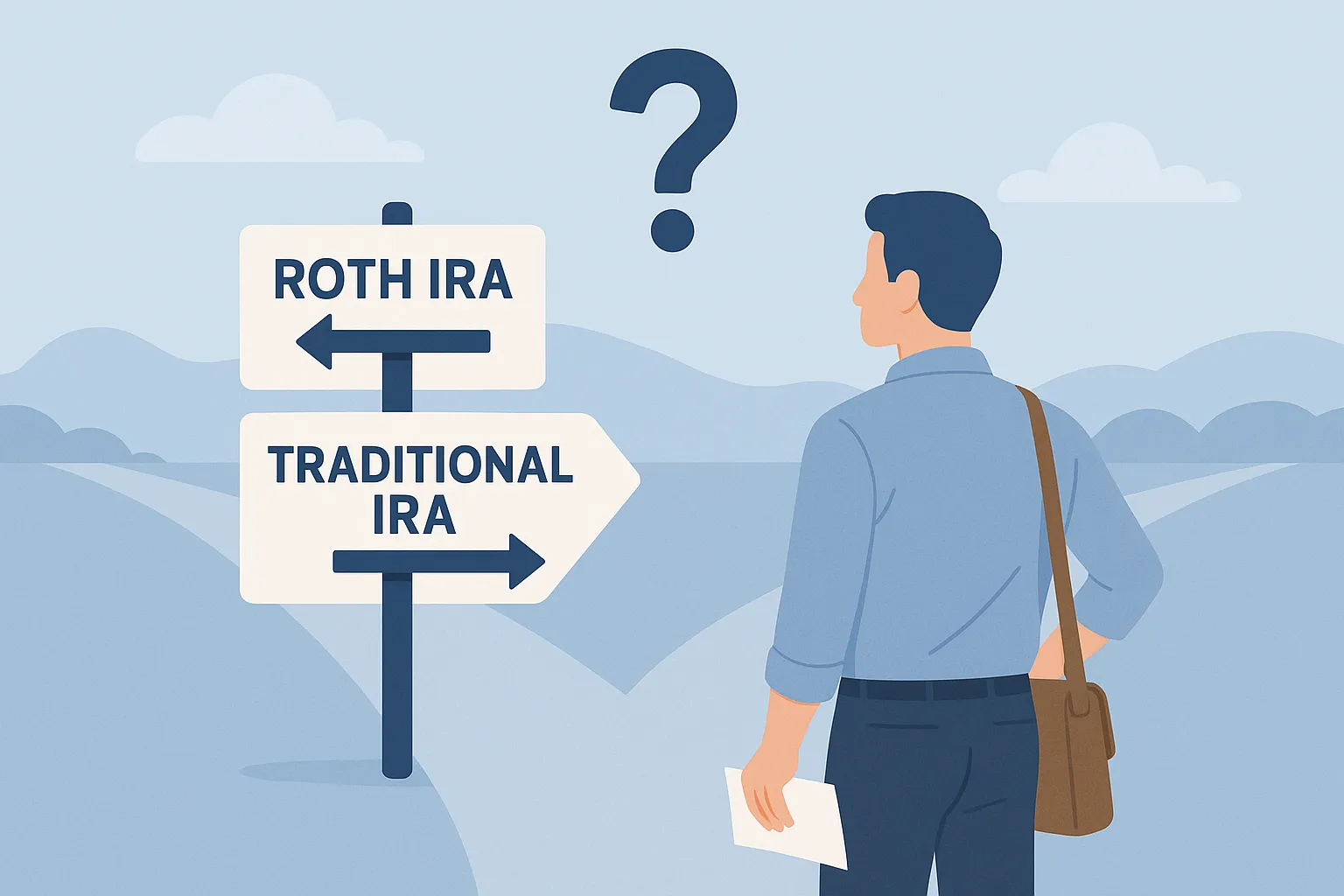
One of the best moves you can make at 50 is to maximize retirement contributions immediately. The IRS allows catch-up contributions for people 50 and older: an additional $7,500 per year on top of the standard $23,000 limit for 401(k) plans in 2024, and an extra $1,000 for IRAs on top of the $7,000 standard limit. Those catch-up amounts exist precisely for situations like yours. If you lost years of compounding in the divorce settlement, aggressive contributions now are the most direct way to close that gap. Even modest increases matter when compounded over 15 years.
Let's make this concrete with illustrative math. If you contribute an extra $7,500 per year for 15 years and earn an average annual return of 6%, you'd add roughly $174,000 to your retirement balance compared to someone who doesn't use the catch-up provision at all. That's not a guarantee, and returns vary, but it illustrates why the catch-up rules matter. Automate the contributions so the decision is already made each pay period.
Credit, estate planning, and your next-steps checklist
Divorce resets more than your finances. Your credit profile and estate plan need updating immediately, or you risk your ex-spouse inheriting assets you intended for someone else.
Credit is something many people discover they have to rebuild after divorce, especially if the mortgage, car loans, or major cards were in a spouse's name. Check your credit reports immediately through AnnualCreditReport.com. Open accounts in your own name if you don't already have them. A single credit card used responsibly and paid in full each month builds a solid history over 12 to 18 months. Don't close joint accounts abruptly without understanding the impact, but work toward separating all credit as cleanly and quickly as possible.
Your estate plan needs a complete reset. Beneficiary designations on retirement accounts and life insurance policies override your will, which means if your ex-spouse is still listed as beneficiary, they could inherit those assets regardless of your wishes. Update every beneficiary designation right after the divorce is final. Revise your will, healthcare proxy, and durable power of attorney. If you have children, make sure your plan reflects who will handle your affairs and finances if something happens to you.
The next steps are not complicated, but they require consistency. Build a one-income budget that covers essentials plus 15% to 20% toward savings and retirement. Review it monthly for the first year. Set up automatic contributions to your retirement accounts so you don't have to make the decision each pay period. Get your legal documents updated. Build a small team: a Certified Divorce Financial Analyst if you can, a fee-only financial planner, and a CPA who understands the tax implications of divided assets. And give yourself a defined review point, say six months out, to assess whether your plan is working. Resilience here is less about making perfect decisions and more about making reasonable ones, repeatedly.