What exactly is LIHEAP, and who runs it?
LIHEAP is a federal program that funds state and local agencies to help you pay heating and cooling bills, and it's bigger and more flexible than most people realize.
I still remember a call I got in January a few years back from a reader in Toledo, Ohio. Her gas bill had hit $412 in a single month during a cold snap, and she was three days from a shutoff notice. She'd never heard of LIHEAP. Twelve days after applying, her utility got a payment covering almost the whole balance. That's not a fluke story I'm telling to make you feel good. It's exactly what this program is built for, and I've seen versions of it play out in Phoenix during a brutal July heat wave and in rural Maine during a February deep freeze.
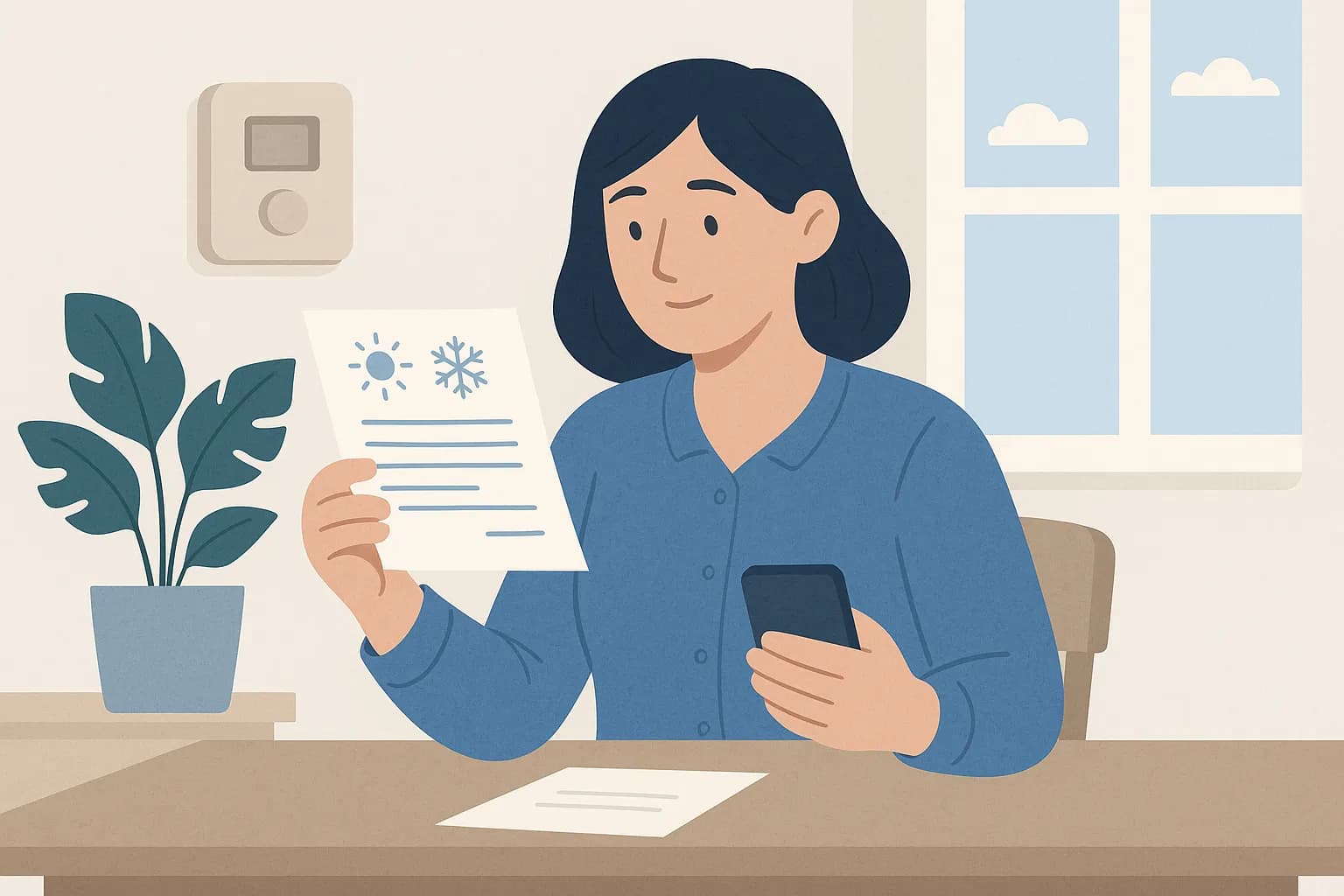
LIHEAP stands for the Low Income Home Energy Assistance Program. It's a federally funded program, administered through the U.S. Department of Health and Human Services, that sends money to states, territories, and tribal organizations, which then distribute it to eligible households to help pay heating and cooling bills. For fiscal year 2024, Congress funded LIHEAP at roughly $4.1 billion, plus additional contingency funds released during extreme weather events. That money doesn't sit in Washington. It flows out to local agencies, community action agencies, and tribal offices that actually process your application and cut the check, usually straight to your utility company.
Does LIHEAP only help with winter heating?
No, and this is the biggest misconception I run into. Most states also cover summer cooling costs and sometimes even fix or replace a broken furnace or AC unit.
Here's the thing people get wrong constantly: they assume LIHEAP only covers winter heating. Wrong. Most states also run summer cooling assistance, especially in places like Arizona, Texas, and Nevada where an air conditioner isn't a luxury, it's a medical necessity for people with heart conditions or the elderly. Some states even fund the actual repair or replacement of a broken furnace or AC unit through a related program often called weatherization or crisis assistance. I've talked to families in Las Vegas who got a whole new HVAC system covered because their unit died mid-summer and they qualified for LIHEAP's crisis component.
Who actually qualifies for LIHEAP?
Eligibility is usually tied to the federal poverty guidelines, and the window is wider than people expect. If you're already on SNAP or SSI, assume you likely qualify.
Eligibility usually hinges on income relative to the federal poverty guidelines, and most states cap it somewhere between 150% and 200% of poverty. For a family of four in 2024, 150% of poverty is about $45,000 a year; 200% pushes closer to $60,000. That's a wider net than most people assume. Some states also let you qualify automatically if you already receive SNAP, TANF, or SSI benefits. I'll be blunt: if you're on any of those programs, you should assume you likely qualify for LIHEAP too and just go check.
What documents do you actually need to apply?
Income proof, your current utility bill, Social Security numbers, and proof of residency. Get organized before you start or you'll get bounced back like several readers I've helped.
The application itself isn't glamorous. You'll typically need proof of income for the last 30 days (or sometimes 12 months), a recent copy of your utility bill, Social Security numbers for household members, and proof of residency. In my experience helping readers through this, the biggest holdup isn't eligibility, it's paperwork disorganization. A reader in Detroit told me she got denied twice simply because she submitted an outdated bill. Once she resubmitted with the current one, approval took nine days. Keep a folder. Physical or digital, doesn't matter. Just keep everything in one place before you start the application.
How much money can you actually get?
It varies by state and season, but average heating benefits run $300 to $1,000 and cooling benefits usually land between $150 and $500. That's real money for a household on the edge.
So how much money are we actually talking about? It varies wildly by state and household size, income, fuel type, and climate zone, but average LIHEAP heating benefits nationally run somewhere between $300 and $1,000 per household per season. Some states, particularly colder ones like Minnesota or Vermont, issue benefits well above $1,000 for larger, lower-income households. Cooling assistance benefits tend to run smaller, often $150 to $500, because summer utility swings are usually less extreme than a brutal winter gas bill. Either way, this isn't pocket change. For a household living paycheck to paycheck, a $600 benefit applied directly to a utility account can be the difference between staying connected and facing a shutoff.
Already got a shutoff notice? Move fast.
Most states have a crisis LIHEAP track that processes in a day or two instead of weeks. Call the national hotline the same day you get that notice, don't wait.
Crisis assistance is the part I wish more people knew about. If you're facing an actual shutoff notice, or you've already lost service, most states have an expedited LIHEAP crisis track that can process applications in 18 to 48 hours instead of the standard few weeks. I've seen this work in real time for a reader in Cleveland whose electricity was cut in November; her local community action agency processed an emergency LIHEAP payment and got her power restored within two days. Don't sit on a shutoff notice. Call your local LIHEAP office or dial the National Energy Assistance Referral hotline at 1-866-674-6327 the same day you get that notice, not after.
Where do you actually apply?
LIHEAP is run state by state, often through local community action agencies, not one national website. Call ahead, especially during the November-December rush.
Now, where do you actually apply? This is where it gets a little annoying, because LIHEAP isn't a single national website like some federal benefits. It's administered state by state, sometimes county by county through local community action agencies. Your starting point should be the LIHEAP Clearinghouse or the Administration for Children and Families' LIHEAP page, which lists every state's program contact. From there, you'll usually apply through a local community action agency, your county's department of social services, or in some states, an online portal. Call ahead. Some offices have limited weekly appointment slots, especially during peak winter application season in November and December, and you don't want to show up without one.
Next steps: don't stop at LIHEAP alone
Ask about the Weatherization Assistance Program in the same phone call. LIHEAP fixes this month's bill; weatherization can cut your bills for years.
One thing I want to clear up because I've seen the confusion cost people money: LIHEAP is not the same as the Weatherization Assistance Program, though they're often run by the same local agencies and sometimes bundled together. Weatherization pays for actual home improvements, insulation, sealing, sometimes furnace replacement, to make your home more energy efficient long term. LIHEAP pays your current bill. If you qualify for one, ask specifically about the other while you're on the phone. I've had readers get a LIHEAP payment that solved this month's crisis, then get referred into weatherization that cut their bills by 20 to 30% permanently. That second step is the one people forget to ask about.