Why your credit score feels like a verdict (and why it isn't)
A low credit score isn't a life sentence. It reflects past behavior, and behavior can be changed with a clear plan and enough time. The process works, it just takes patience.
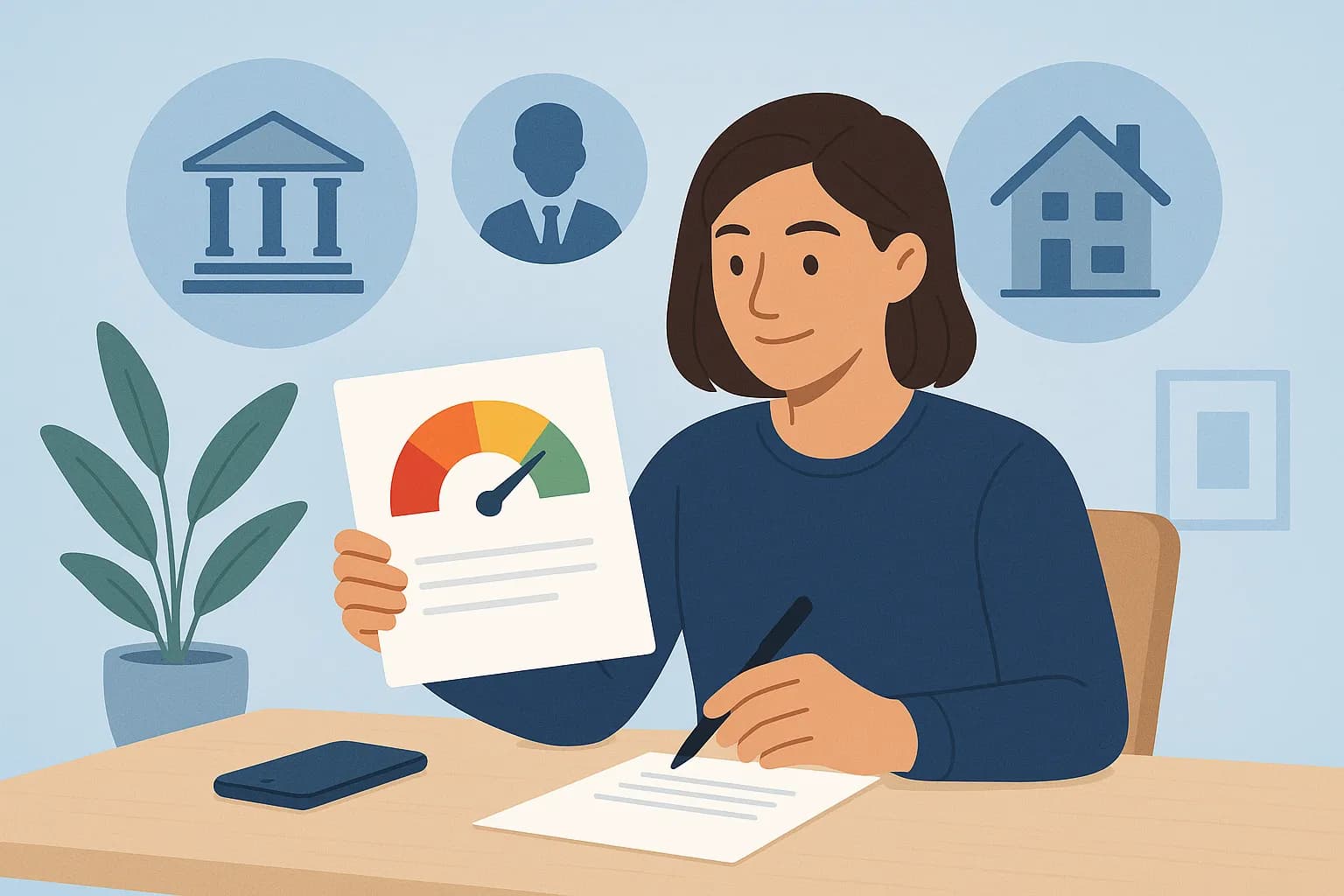
Your credit score can feel like a verdict. One number, three digits, and suddenly it seems to define whether you can rent an apartment, buy a car, or get a mortgage at a rate that doesn't make your stomach drop. Here's the thing: a bad score isn't permanent. It's a snapshot of past behavior, and past behavior can be addressed, countered, and rewritten over time. The process isn't fast, and it isn't magic, but it is absolutely doable with a clear sequence of steps.
Step one: Pull your credit reports and read every line
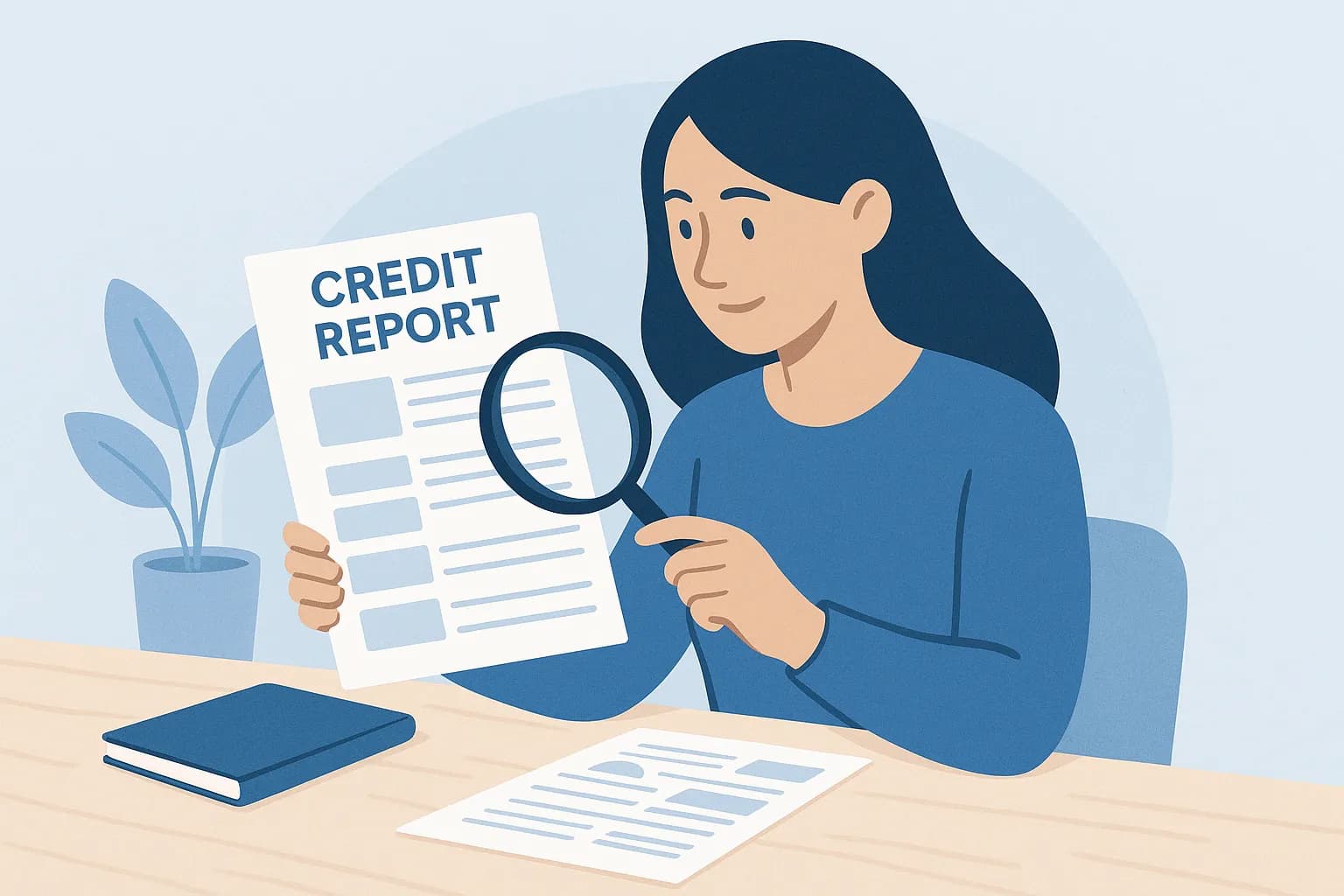
Before you fix anything, you need to see what's actually there. Get your free reports from AnnualCreditReport.com and look at all three bureaus. Errors are far more common than most people realize.
Before you do anything else, pull your credit reports. Not your score, your reports. The CFPB and FTC both point consumers to AnnualCreditReport.com as the official, free source for reports from Equifax, Experian, and TransUnion. You're entitled to free weekly reports through the end of 2026 under current policy. Download all three. Errors are more common than most people expect: the FTC has found that roughly one in five consumers has an error on at least one report that could affect their score. Read every line.
How do you dispute a credit report error?
Write a dispute letter to the bureau reporting the error, cite the specific item, and include documentation. They have 30 days to investigate. The CFPB has sample letters you can use right now.
When you find something wrong, dispute it. This is your legal right under the Fair Credit Reporting Act (FCRA). Write a clear dispute letter to the credit bureau that's reporting the error, identifying the specific item, explaining why it's incorrect, and including copies (not originals) of any supporting documents. The bureaus are required to investigate within 30 days and must remove or correct items they can't verify. If the bureau side-steps you, you can also dispute directly with the original creditor, called the 'furnisher.' The CFPB has sample dispute letters on its website. Use them.
One thing to know: not everything negative on your report is disputable. Late payments that genuinely happened, collections that are legitimately yours, a charge-off that reflects real nonpayment, these belong there. Disputing accurate information is a waste of your time and may actually slow your progress if you're focused on fiction instead of facts. Focus your energy on errors: accounts that aren't yours, incorrect balances, duplicate entries, or a bankruptcy discharged years ago still listed as open. Accuracy is the target, not scrubbing your history.
Building credit from scratch with secured cards and credit-builder loans
If your score is low, a secured card and a credit-builder loan are your two best tools. They create positive payment history, which is the biggest single factor in your score. Use both if you can.
Once your report is clean (or at least accurate), the next lever to pull is building positive history. If your score is below 640 or so, you probably won't qualify for an unsecured card with favorable terms. A secured credit card is the right tool here. You deposit cash, say $200 to $500, and that becomes your credit limit. Use the card for small, predictable expenses like a streaming subscription or gas. Pay the full balance before the due date every single month. This keeps your utilization below 10 percent on that card, which is the sweet spot.
Credit-builder loans are another underrated tool. These are small loans, typically $300 to $1,000, offered by credit unions and community development financial institutions (CDFIs). Here's how they work: the lender holds the loan proceeds in a savings account while you make monthly payments. At the end of the loan term, you get the money. You're essentially paying yourself while building a payment history. The payments get reported to the credit bureaus, and consistent on-time payments are the single most important factor in your score. Payment history makes up 35 percent of a FICO score.
Avalanche vs. snowball: which debt payoff method should you use?
I'd go avalanche if you can stick with it. Paying highest-interest debt first saves the most money. But the snowball works better for people who need motivational wins early in the process. Pick the one you'll actually follow through on.
Now, the debt conversation. The sequence matters. Most financial educators will present two approaches: the avalanche (pay highest-interest debt first) and the snowball (pay smallest balance first). I'd go avalanche if you can stick with it, because math wins over time. On a $10,000 balance at 22 percent APR, even a $50 extra payment per month shaves months off your payoff timeline and saves you a meaningful amount in interest. But here's the real talk: the best method is the one you'll actually use. If you need a quick psychological win, knock out a $400 medical bill first and build momentum.
Credit utilization: the lever most people ignore
Keep your credit card balances below 10 percent of your limit, not 30 percent. And pay before your statement closes, not just before the due date, because that's when your balance gets reported.
Credit utilization is the second-biggest scoring factor after payment history, accounting for about 30 percent of a FICO score. The rule of thumb is to keep utilization below 30 percent across all cards, but honestly, below 10 percent is where scores tend to climb fastest. So if you have a $2,000 credit limit and a $600 balance, that's 30 percent. A $150 balance is 7.5 percent. The difference in score impact can be substantial. One tactical move: pay down the balance before your statement closes, not just before the due date, because the statement balance is usually what gets reported to the bureaus.
Credit monitoring and freezes: what you actually need
Free monitoring is enough for most people to track direction and catch fraud early. If you're not opening new credit soon, a freeze at all three bureaus is the strongest protection available and it costs nothing.
Monitoring your credit isn't optional if you're actively working to repair it. Free options exist through multiple credit card issuers and apps, though they typically show VantageScore rather than FICO. That's fine for tracking direction. What you're watching for is score movement after disputes resolve, new accounts you didn't open (which could signal identity theft), and hard inquiries you don't recognize. If your situation feels higher-risk, consider a credit freeze with all three bureaus. It's free under federal law since 2018, and it prevents new credit from being opened in your name without your explicit action to temporarily lift it.
How long does credit repair actually take?
Expect six to twelve months for meaningful score movement, longer if you have bankruptcies or foreclosures on your report. Negative items fade over time, especially when you're layering positive history on top of them. Consistent action beats urgent bursts of effort.
Here's where a lot of people get tripped up: they do the work, they dispute the errors, they open a secured card, they start paying down debt, and then they check their score once and get discouraged because it only moved 10 points. Credit repair is a six-to-twelve-month process at minimum for meaningful movement, and longer for serious derogatory marks like a bankruptcy or foreclosure. Negative items generally stay on your report for seven years (ten years for Chapter 7 bankruptcy). But the impact of those items fades over time, especially when you're building fresh positive history alongside them. Patience isn't a platitude here. It's the strategy.
Your action plan: what to do this week
Start with AnnualCreditReport.com today. Read all three reports, flag errors, and write your first dispute letter if needed. Then open one credit-building account and set up autopay on everything. Check in monthly and give the process at least a year.
Your action plan starts this week, not someday. Pull all three credit reports from AnnualCreditReport.com, spend an evening reading them carefully, and flag anything that looks inaccurate. Write your first dispute letter if needed, then open or optimize one credit-building account. Set up automatic minimum payments on everything to protect your payment history while you work the other levers. Choose a free monitoring tool and check in monthly. And give the process time. The people who make real progress on credit aren't the ones who found a magic shortcut. They're the ones who showed up consistently for a year.