Is refinancing worth it right now?
It depends entirely on your specific numbers, not on what rates are doing in the headlines. Run the breakeven math for your loan before you do anything else.
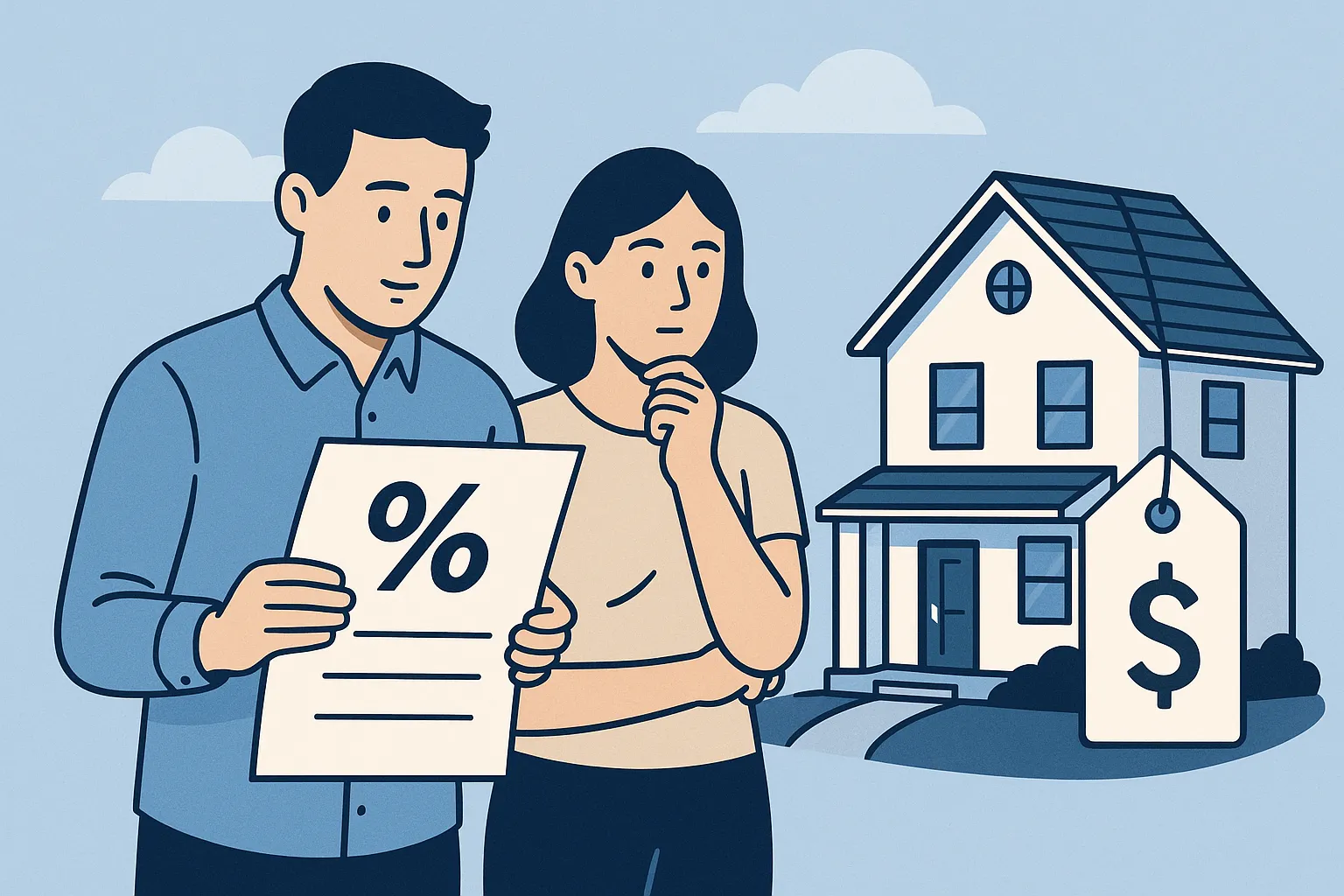
Rates move. Lenders know it. And every time there's a meaningful shift in the mortgage market, the mailers start arriving and the phone calls pick up. Refinancing can be a genuinely powerful financial move, cutting your monthly payment, shortening your loan term, or unlocking home equity you've built over years. But it can also be an expensive mistake if you're not paying close attention to the math. The decision isn't as simple as 'rates went down, so I should refinance.' There's a lot more to unpack.
Refinancing means replacing your existing mortgage with a new one, usually to get a lower interest rate, a different loan term, or both. There are also cash-out refinances, where you borrow more than you owe and pocket the difference. Each type has its own logic and its own risks. A rate-and-term refinance is almost always the cleanest choice if your goal is to reduce costs. Cash-out refinancing is a sharper tool that cuts both ways, because you're increasing your debt load even while tapping equity.
How do you calculate your breakeven point?
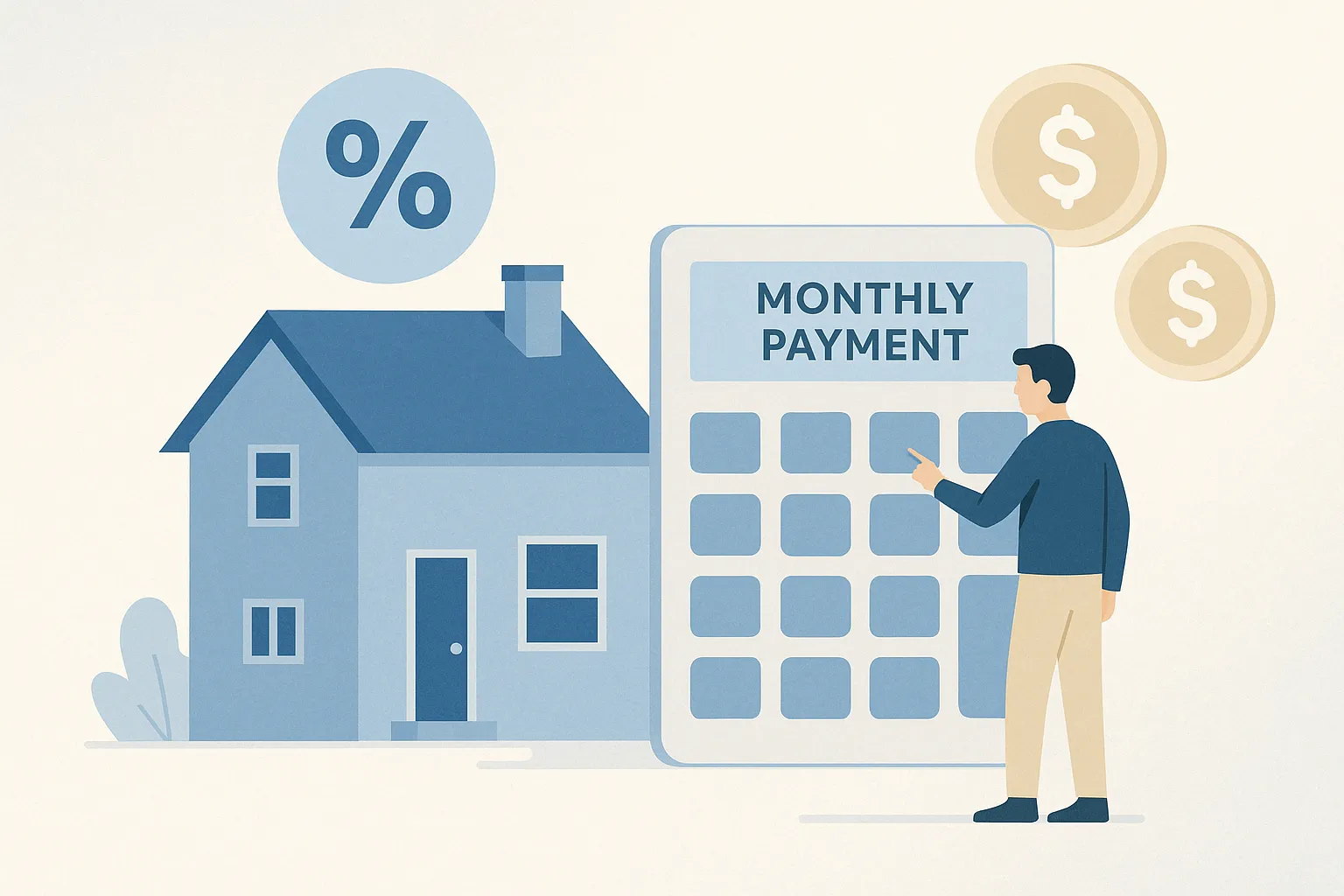
Divide your total closing costs by your monthly savings. That's how many months you need to stay in the home for the refi to pay off. Everything else flows from that number.
The breakeven point is the single most important number in any refi decision. Here's the core formula: divide your total closing costs by your monthly savings. If closing costs are $6,000 and you're saving $200 per month, you break even in 30 months. Stay in the home longer than that, and the refinance pays off. Sell or refinance again before then, and you've lost money. Period. That's the whole calculus, right there. The rest is just filling in those two numbers accurately.
One thing to watch: some lenders quote your 'monthly savings' after folding the closing costs into the new loan balance, which inflates the apparent savings. Ask for the out-of-pocket closing cost figure separately. And remember that rolling costs into the loan means you're paying interest on them for years. On a $6,000 closing cost rolled into a 30-year loan at 6.5%, you're paying meaningfully more than $6,000 by the time it's done.
Closing costs are bigger than most people expect
Plan on 2% to 5% of your loan balance in closing costs. On a mid-sized mortgage, that's several thousand dollars. Get three Loan Estimates and compare them line by line.
Closing costs are where people get tripped up. The national average for refinance closing costs runs roughly 2% to 5% of the loan balance, according to the Consumer Financial Protection Bureau. On a $350,000 mortgage, that's anywhere from $7,000 to $17,500 out of pocket (or rolled into your new loan balance, which costs you more over time). Lenders will quote these differently, which is exactly why the Loan Estimate form exists. Demand it. Compare it line by line across at least three lenders.
Watch specifically for origination fees, discount points, appraisal fees, and title insurance. Some of these are negotiable; some aren't. Discount points deserve their own attention: paying one point (1% of the loan) upfront lowers your rate, but you need to run the breakeven on that investment separately. Paying $3,500 to reduce your rate by 0.25% might take 8 years to recoup. That's not always a bad deal, but you have to know what you're buying.
Your credit score changes the math
The rate on your Loan Estimate depends on your credit score, not the headline rate you saw advertised. If your score improved since you bought, that's real money on the table.
Your credit score has a direct impact on the rate you'll receive, not just the advertised rate. Lenders price risk. A borrower with a 760 score and a borrower with a 680 score are looking at materially different offers, even from the same institution. If your score has improved since you took out your original mortgage, that's a strong argument for refinancing. If it's dropped, you might get a rate that doesn't move the needle enough to justify the closing costs.
According to the CFPB, even a small improvement in your credit tier can translate to a meaningfully different interest rate. Before you apply, pull your credit reports from AnnualCreditReport.com and check for errors. Dispute anything that looks wrong. Then give yourself 30 to 60 days to see if any easy wins (paying down a card balance, resolving a small collection) can nudge your score upward before you lock in a rate.
The 1% rule is a starting point, not a finish line
The 1% rate-drop rule is a rough heuristic, not a reliable decision-maker. Loan size, closing costs, and how long you plan to stay matter just as much as the rate gap.
The 1% rule is a common shortcut: refinance when rates drop at least 1 percentage point below your current rate. It's a decent starting point, but it's not the whole picture. Loan size matters enormously. On a $100,000 balance, a 1% rate reduction saves you roughly $55 to $65 per month. On a $500,000 balance, that same 1% saves you $275 to $325 per month. The larger the loan, the smaller the rate improvement you need to justify the costs. Do the actual math for your situation, not a rule of thumb designed for the average borrower.
Here's a concrete example to make this real. Say you have a $400,000 loan at 7.25% with 25 years remaining, and you can refinance to 6.25%. Your monthly payment drops from roughly $2,870 to roughly $2,635. That's $235 per month. If closing costs are $8,000, you break even in about 34 months. That's just under three years. If you plan to stay 10 more years, this refinance makes clear sense. If you're considering selling in two years? Walk away.
Loan term extension is a hidden cost
Resetting to a new 30-year mortgage extends the time you're paying interest, even if the rate drops. A shorter term on the new loan often makes more financial sense.
Extending your loan term is a hidden cost that rarely gets discussed upfront. Say you're 7 years into a 30-year mortgage and you refinance into a new 30-year loan. You've just reset the clock. Your monthly payment might drop, but you're now paying for 37 years instead of 30. That's 7 extra years of interest payments. If you're refinancing to save money over time, I'd push you hard toward a 20- or 15-year term if you can handle the higher monthly payment. The interest savings over the life of the loan can be substantial compared to the 30-year path.
Honestly, the term conversation is where I see people leave the most money behind. A 15-year mortgage at 5.75% versus a 30-year at 6.25% produces a much higher monthly payment, yes. But the total interest paid over the life of the loan is a fraction of what you'd pay on the longer term. Run both scenarios side by side in any basic mortgage calculator before you decide. The 15-year number might surprise you.
When refinancing clearly does not make sense
If you're close to paying off your loan, underwater on your home, or drowning in high-interest consumer debt, refinancing is probably not your best next move.
There are situations where refinancing clearly doesn't make sense, and being honest with yourself about them saves real money. If you're close to paying off your mortgage (say, within 5 to 7 years), the remaining balance is small enough that the savings won't cover the closing costs. If you're underwater on your home, meaning you owe more than it's worth, refinancing options become limited and complicated. And if you're carrying heavy consumer debt, putting $8,000 in closing costs on a refi when you've got $15,000 in credit card debt at 22% APR is probably the wrong priority.
Sound familiar? A lot of homeowners feel pressure to act on refinancing just because rates shifted and the offers are coming in. That pressure is manufactured. Lenders benefit every time a loan closes. You benefit only when the numbers work in your favor. Take a breath, run the math, and don't let urgency do your thinking for you.
Your next steps: a concrete action plan
Pull your current mortgage statement, get at least three Loan Estimates, and run the breakeven formula before you talk to anyone seriously. This takes an afternoon, not a week.
Your next steps are concrete. Pull your current mortgage statement and note your remaining balance, interest rate, remaining term, and monthly payment. Then get Loan Estimates from at least three lenders. Include a credit union and an online lender, not just your current servicer. Compare them line by line. Calculate your breakeven point using the formula above (total closing costs divided by monthly savings). Then ask yourself honestly how long you plan to stay in this home.
If the breakeven lands under 24 months and you have solid plans to stay put, the case for refinancing is strong. If it's over 48 months, I'd wait unless your personal situation has changed in a big way, like a credit score jump or a major income shift that affects what loan products you can access. And if the math is in the 24-to-48-month range, factor in your confidence level about staying. That gut check is part of the analysis too.
One last thing: if a lender is pushing you to decide before you've had time to compare estimates, that's a signal. The CFPB's Loan Estimate is a standardized document for exactly this reason. You have three business days after application to receive one, and you should use every hour of that window. Good refinancing decisions are made with information, not urgency.